Concussion Issues in Tour de France: A Growing Concern
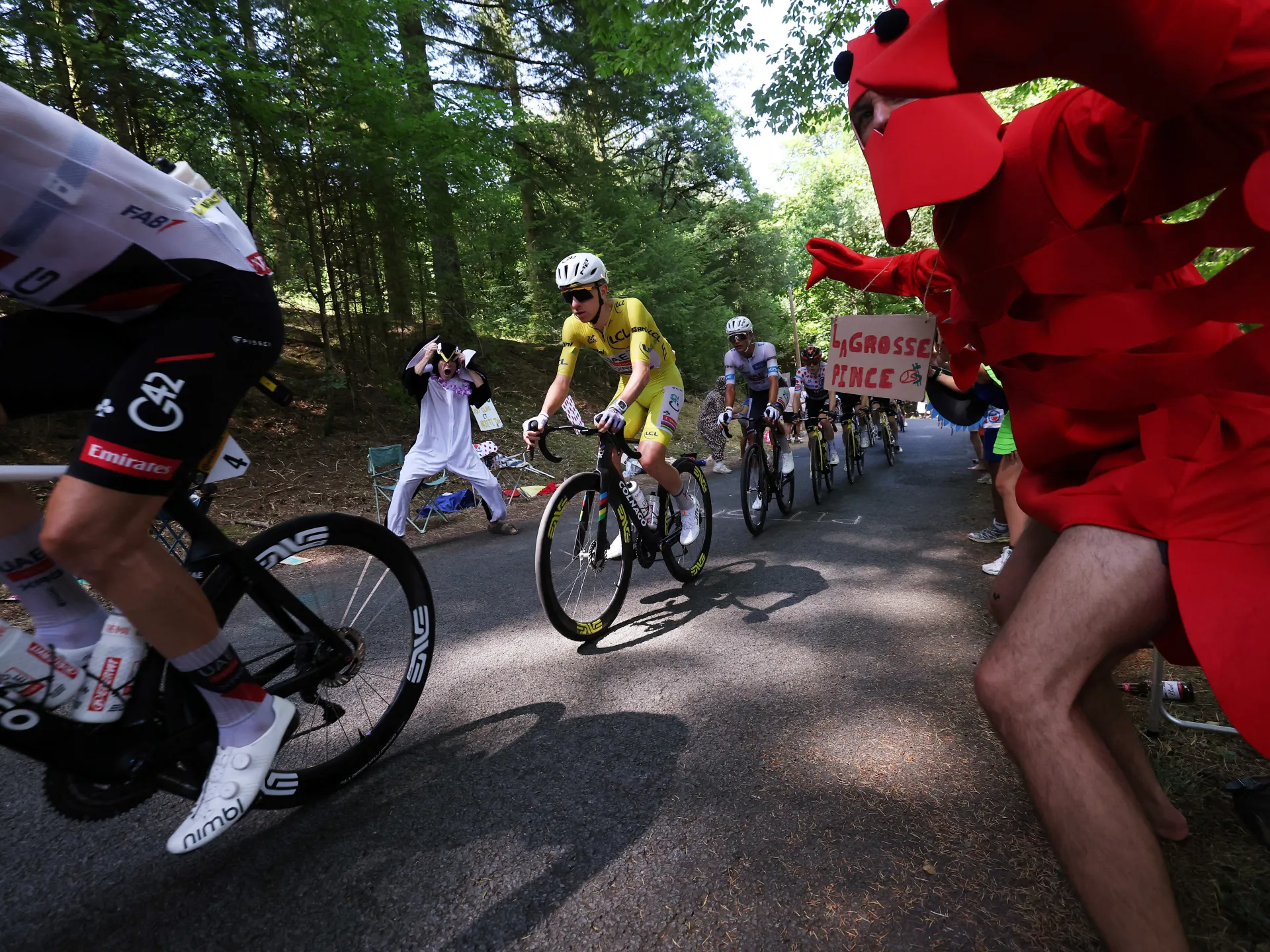
The opening week of the 2026 Tour de France, starting from Barcelona on July 4, has seen three of the eight riders who withdrew do so due to concussions. These incidents underscore the ongoing challenges in managing concussions in a time-sensitive sport like cycling.
Clement Berthet from Groupama-FDJ United, Alex Molenaar of Caja Rural-Seguros RGA, and Torstein Traeen from Uno-X Mobility all faced concussions after crashes. Despite initially completing their respective stages, they withdrew later upon receiving their diagnoses.
Handling Concussions: Current Protocols and Challenges
The International Cycling Union (UCI) has been implementing a concussion protocol since 2021, evolving from past incidents like French rider Romain Bardet's 90km ride post-concussion in 2020. Xavier Bigard, UCI's medical director, emphasized that seeing riders diagnosed after resuming the race is unsatisfactory.
According to the protocol, the first responder, often a team mechanic, assesses the rider post-crash. If two or more symptoms like nausea, head pain, or disorientation are present, the rider is removed from the race. If not, they may continue with further checks conducted during the race by a medical or team vehicle.
Mathieu Le Strat, medical director of Groupama-FDJ United, explained the difficulty of conducting thorough assessments roadside due to time constraints. Proper evaluations require 10–15 minutes, which is not feasible during a race.
Diagnosis Difficulties in Real-Time
Florence Pommerie, chief doctor of the Tour de France, noted the diagnostic challenges, as concussions lack a single defining sign and symptoms may vary in appearance and duration. Pommerie mentioned that none of the three riders returned to the medical car for further evaluation post-crash, illustrating the unpredictability of symptom emergence.
The complexity of diagnosing concussions on-the-go is compounded by the need for quick decisions in a race where every second counts, particularly for overall contenders in this extended competition.
A Long-Term Commitment to Improvement
In recent years, cycling has increased its focus on concussion awareness, as highlighted by Pascal Chanteur, vice president of the CPA international riders' union. However, the sport's inherent urgency poses a challenge to implementing thorough procedures during races.
Xavier Bigard acknowledged the efforts to make the situation less imperfect but stressed the importance of ongoing education in elite cycling. He characterized the process as long-term yet essential for the sport's future.
Source: Original Article