Introduction of a New Bill
In the midst of rising tension with the United States, Iranian lawmakers have introduced a new bill concerning the management of the Strait of Hormuz. This move comes as Iran's parliament, heavily influenced by hardline members, reconvenes after months of heightened confrontation.
Strategic Importance of the Strait
The Strait of Hormuz is a critical waterway, with a significant portion of the world's energy supply passing through it. Recent escalations between the US and Iran have jeopardized efforts to stabilize the region, following a memorandum of understanding signed just last month.
Details of the Proposed Legislation
The proposed legislation, titled "Strategic Action for the Security and Sustainable Progress of the Strait of Hormuz and the Persian Gulf," aims to formalize Iranian control over the strait. While the official text has not been released, previous drafts suggest barring passage to vessels flying US or Israeli flags, and imposing restrictions on military and intelligence ships deemed hostile by Iran.
Furthermore, the bill proposes that all vessels must obtain permits, disclose cargo details, and pay fees to pass through the strait, with revenue directed towards military and infrastructure projects. The legislation also emphasizes the usage of the name "Persian Gulf," threatening penalties for non-compliance.
International Reactions and Developments
US President Donald Trump has indicated intentions to levy fees on vessels passing through the strait, proposing a US-backed route near Oman. In response, Iran's Foreign Minister Abbas Araghchi expressed readiness to impose lower fees as the region's "permanent" guardian.
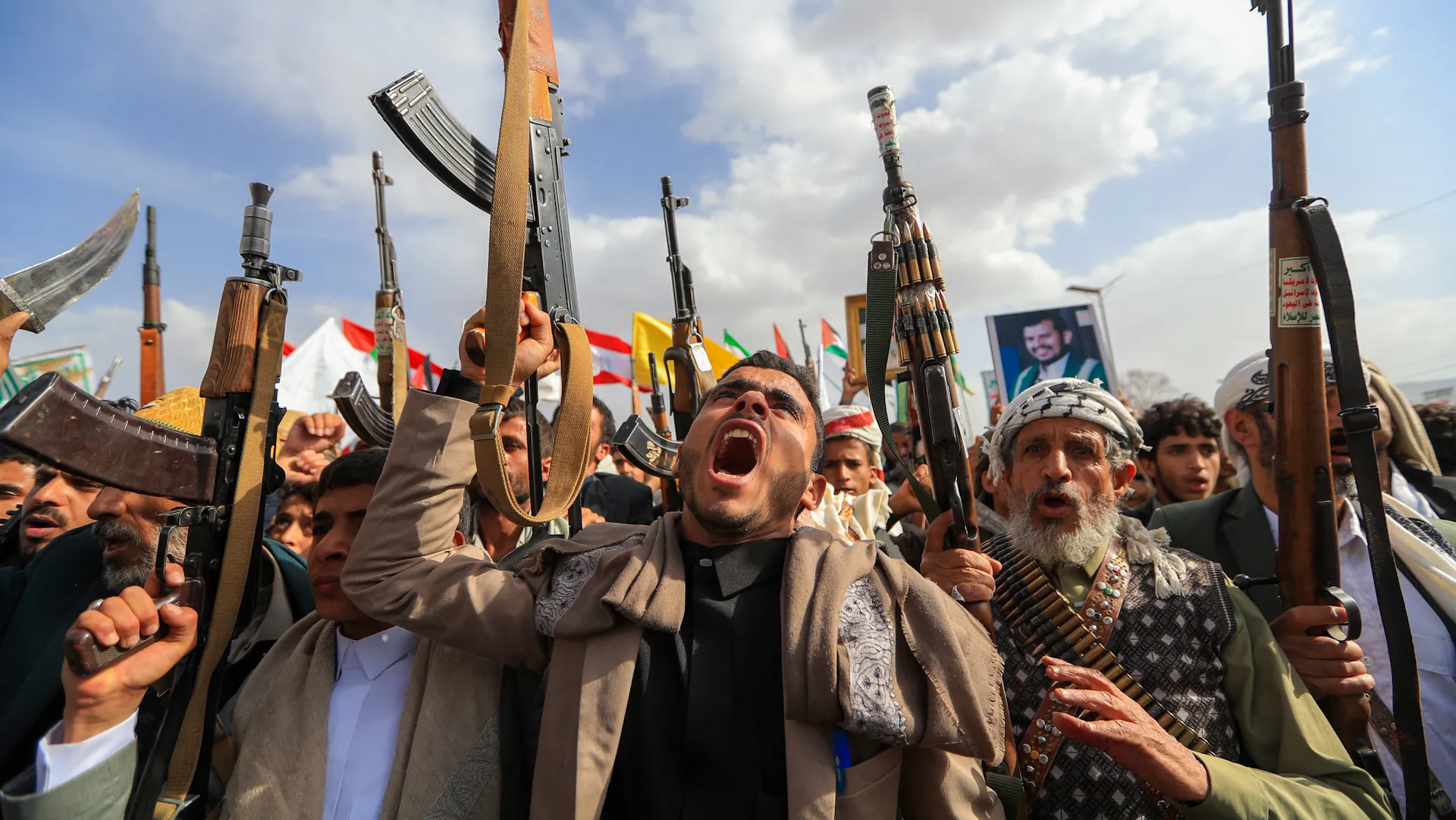
The situation could further escalate if Iran follows through on threats to close the Bab al-Mandeb Strait, another crucial shipping route, in collaboration with Houthi forces in Yemen.
Military and Economic Repercussions
Over the past week, the US military has conducted numerous airstrikes across Iran, affecting several provinces and resulting in casualties. The Iranian military has retaliated with attacks on US assets in the region.
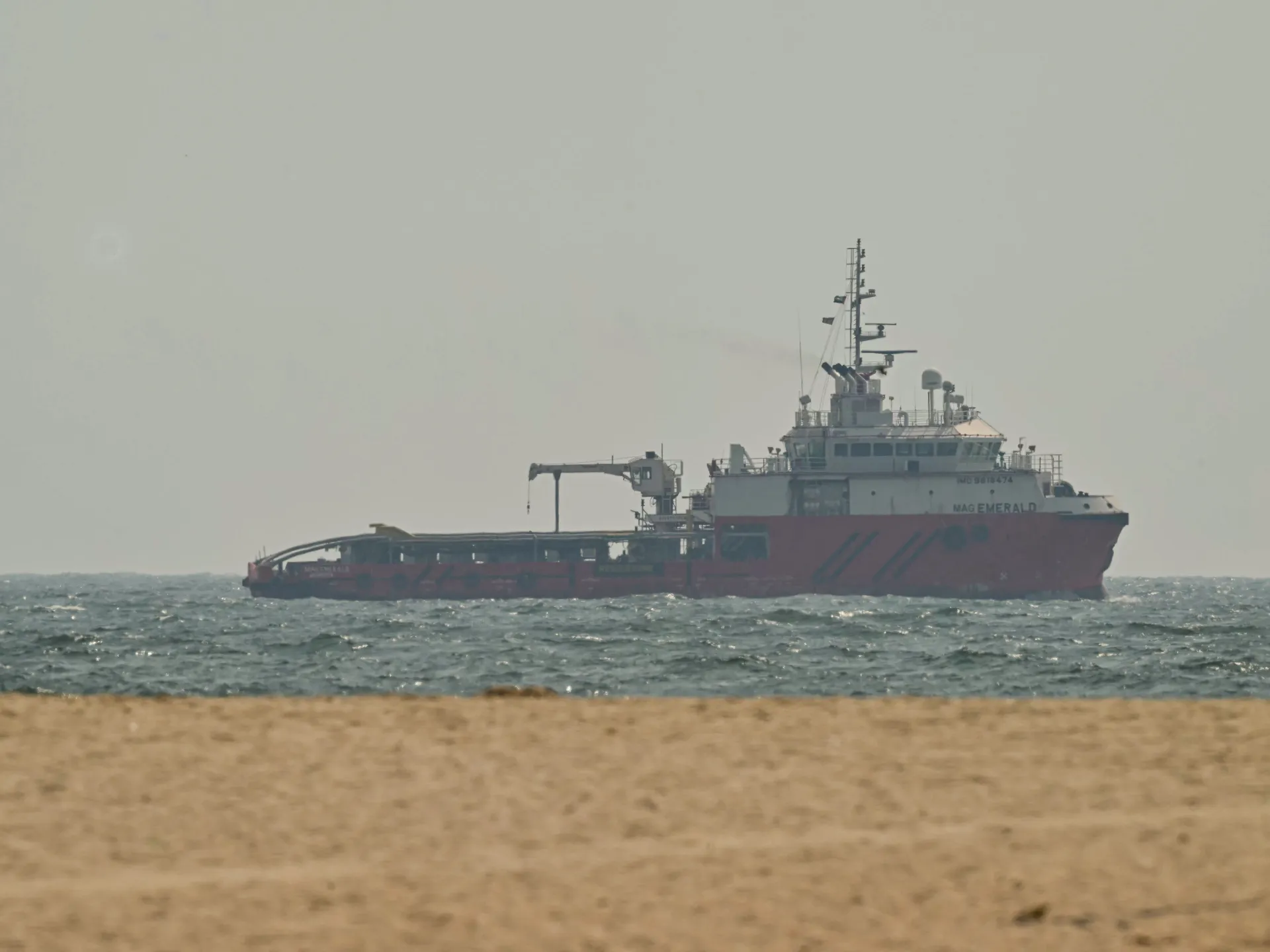
The conflict has led to disruptions for multiple tankers and commercial vessels in the strait, with some being damaged or forced to change course. Mediation efforts by Oman and other nations are ongoing, yet the outlook remains uncertain.
Economically, the situation has caused fluctuations in Iranian markets. The national currency, the rial, has depreciated significantly against the US dollar, nearing historic lows. The Tehran Stock Exchange has also experienced losses, reversing gains made following last month's diplomatic agreement.
Source: Original Article