European Nations Collaborate on Missile Defence
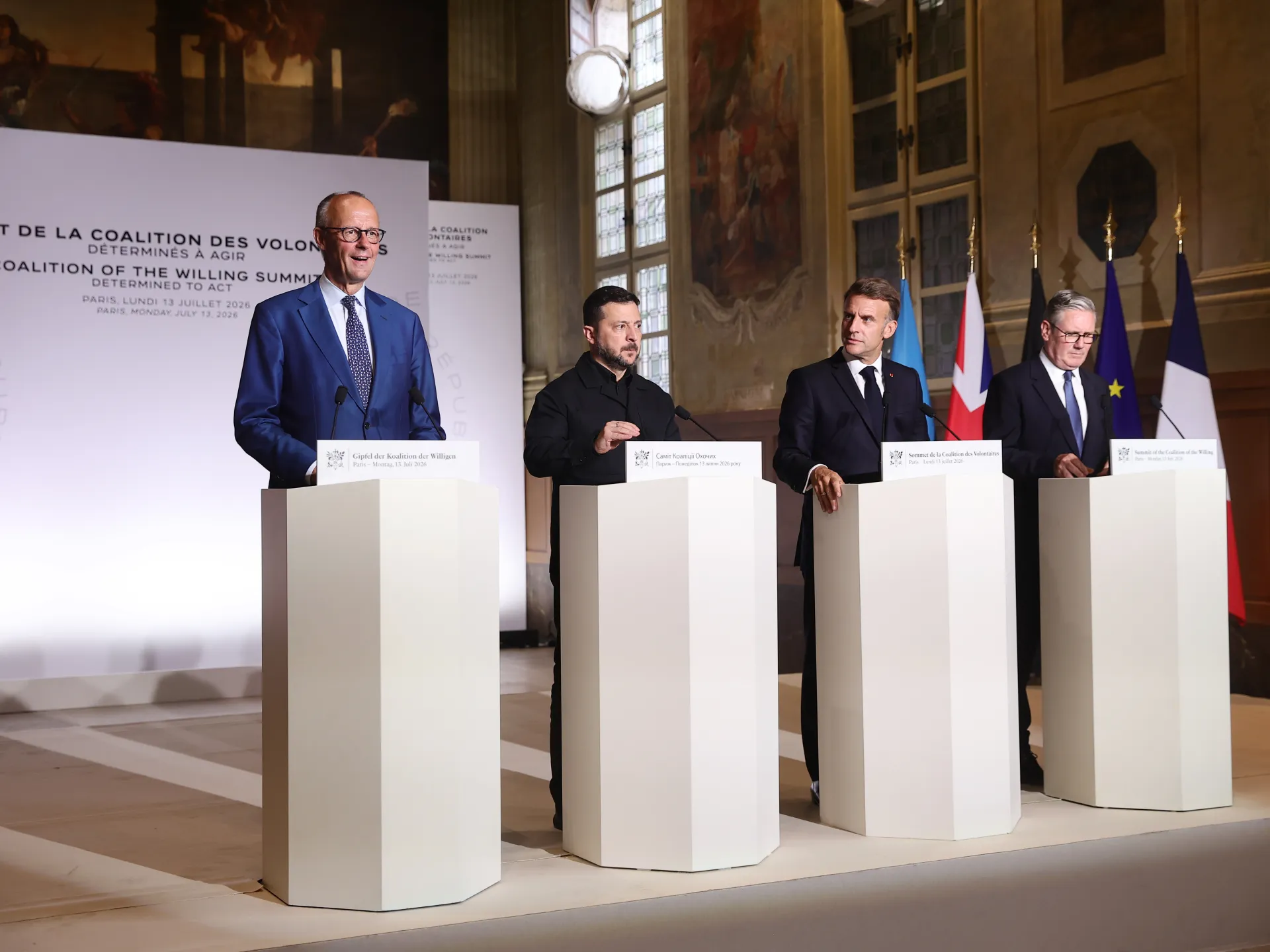
On Monday, leaders from nine European nations along with Ukraine convened in Paris to unveil a collaborative initiative aimed at developing Europe's own Integrated Anti-Ballistic Missile Coalition. This collective effort seeks to establish a comprehensive missile defence system, leveraging shared industrial capabilities.
The coalition's formation was announced at a summit of the "Coalition of the Willing," a broader assembly of 35 countries led by the United Kingdom and France. This group has been coordinating military support for Ukraine since March 2025 and is discussing security assurances for any future peace agreements.
Participating Countries
The countries involved in this missile defence initiative include Denmark, France, Germany, Italy, the Netherlands, Norway, Spain, Sweden, the United Kingdom, and Ukraine. These nations bring together some of Europe's largest defence industries, with Ukraine contributing significant combat experience against ballistic missile threats.
Notably absent from the coalition are Poland, the Baltic states, and Finland, despite their geographical proximity to Russia. The United States is also not a participant in this initiative.
Rationale for a European Defence System
The coalition's declaration highlights the increasing threat posed by ballistic missiles, particularly those launched by Russia against Ukrainian cities. Currently, Europe relies heavily on a limited number of expensive, primarily US-manufactured systems for missile interception.
French President Emmanuel Macron emphasized the need for a unified missile defence architecture to protect Europe from future threats. Ukrainian President Volodymyr Zelenskyy noted the challenges Kyiv faces in intercepting ballistic missiles, underscoring the necessity of Ukraine's involvement in the programme.
Current Defence Capabilities
While Europe possesses some missile defence systems, they are often costly and predominantly sourced from foreign manufacturers. The US-built Patriot system is widely used, but its high cost and production limitations pose challenges. The Franco-Italian SAMP/T offers an alternative, though its deployment has been limited.
The German-led European Sky Shield Initiative, which coordinates the procurement of existing systems, has faced criticism for its reliance on American and Israeli technology. The newly formed coalition intends to develop a distinct European air defence architecture, with Ukraine playing a crucial role.
Ukraine's Key Role
Ukraine's extensive experience in countering ballistic and missile attacks offers invaluable insights to the coalition. This expertise, combined with Ukraine's domestic defence industry, positions the country as a pivotal partner in developing new missile interception technologies.
President Zelenskyy has promoted Ukraine's Freyja interceptor programme as a potential model for Europe. Additionally, the United States has committed to licensing Ukraine for the production of Patriot interceptors, potentially reducing costs significantly.
Future Prospects and Challenges
The declaration outlines plans for determining common operational requirements, establishing joint technical groups, and creating a roadmap for operational capabilities, although no specific timeline has been provided.
Zelenskyy expressed optimism about developing a mass-produced, cost-effective anti-ballistic system within a year, centred around the Freyja programme. However, the speed of deployment will depend on decision-making efficiency and overcoming bureaucratic hurdles within the EU.
Experts caution that even funded defence projects can take years to implement. For instance, Germany ordered the Israeli Arrow 3 system in 2023, but full operational capability is not anticipated until 2030.
Source: Original Article