Heightened Tensions in the Gulf Region
In recent weeks, air defence systems in several Gulf nations, including Bahrain, Kuwait, Oman, Qatar, the United Arab Emirates, and Jordan, have been on high alert due to a fresh wave of attacks by Iran. These assaults, purportedly aimed at US military positions, have highlighted the vulnerability of Gulf states amid ongoing US-Iran tensions.
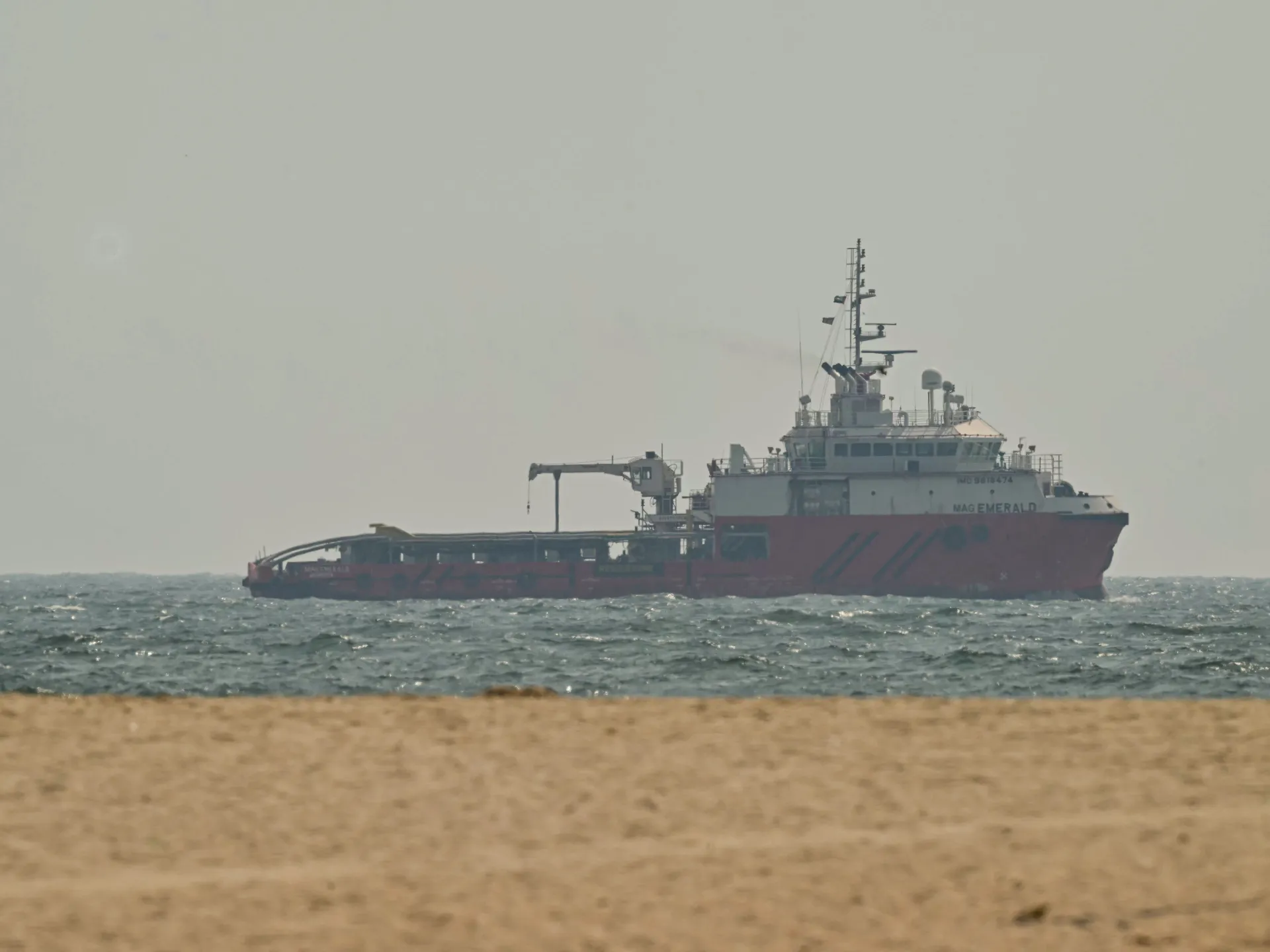
The current escalation follows US bombardments on Iranian coastal regions, and a fragile memorandum of understanding (MoU) signed by Washington and Tehran has failed to prevent further hostilities. The strategic Strait of Hormuz remains a focal point of this conflict, with Iran asserting control over maritime traffic and targeting commercial vessels in retaliation for US actions.
The US-Gulf Dilemma
The presence of US military bases across the Gulf has created a paradox for these nations. While the US provides crucial protection against Iranian missiles and drones, it also makes Gulf states prime targets. Experts argue that the reliance on American military support is both a benefit and a liability for regional security.
Simon Mabon, a professor at Lancaster University, noted that the US military presence has largely mitigated the impact of Iranian attacks. However, the sustained pressure on Gulf air defences raises concerns about their long-term efficacy in a protracted conflict scenario.
Evaluating Air Defence Systems
Gulf states have invested heavily in advanced air defence systems, integrating US, European, and Israeli technologies. Saudi Arabia leads with its deployment of THAAD and Patriot PAC-3 batteries, while the UAE and Qatar also maintain sophisticated defence networks. Despite these investments, the challenge remains in countering Iran's cost-effective drone technology.
Iran's strategy of deploying inexpensive, domestically-produced drones poses a significant threat. These drones, costing as little as $30,000, are pitted against far more expensive interceptor missiles, potentially depleting Gulf and US resources over time.
Regional Cooperation and Independence
The crisis has prompted Gulf states to enhance military cooperation and seek diversified defence partnerships. Countries like Saudi Arabia and the UAE are exploring regional military agreements and investing in domestic defence industries to reduce reliance on the US.
Bader Mousa Al-Saif from Chatham House suggests that the Gulf's security relationship with the US remains pivotal but highlights efforts to diversify defence ties with countries such as Ukraine and South Korea. These moves represent a strategic shift towards greater regional autonomy.
Living with the Iranian Neighbour
Despite the tensions, Gulf states acknowledge the need for a pragmatic relationship with Iran due to geographical proximity. Recent diplomatic efforts, including Saudi Arabia's and the UAE's restored relations with Iran, reflect a desire to manage rather than exacerbate regional instability.
Analysts suggest that Gulf nations are wary of the potential fallout from destabilising the Iranian regime. Instead, they aim to weaken hardline elements without provoking a full-scale collapse.
Economic Vulnerabilities
The Strait of Hormuz remains a critical economic lifeline, with potential disruptions threatening Gulf economies reliant on oil and gas exports. The ongoing conflict underscores the importance of securing these maritime routes to ensure economic stability.
The interplay between military strategy and economic interests continues to shape Gulf states' approach to regional security, balancing immediate defence needs with long-term geopolitical considerations.
Source: Original Article